
To strengthen environmental sustainability, climate awareness, and community resilience.
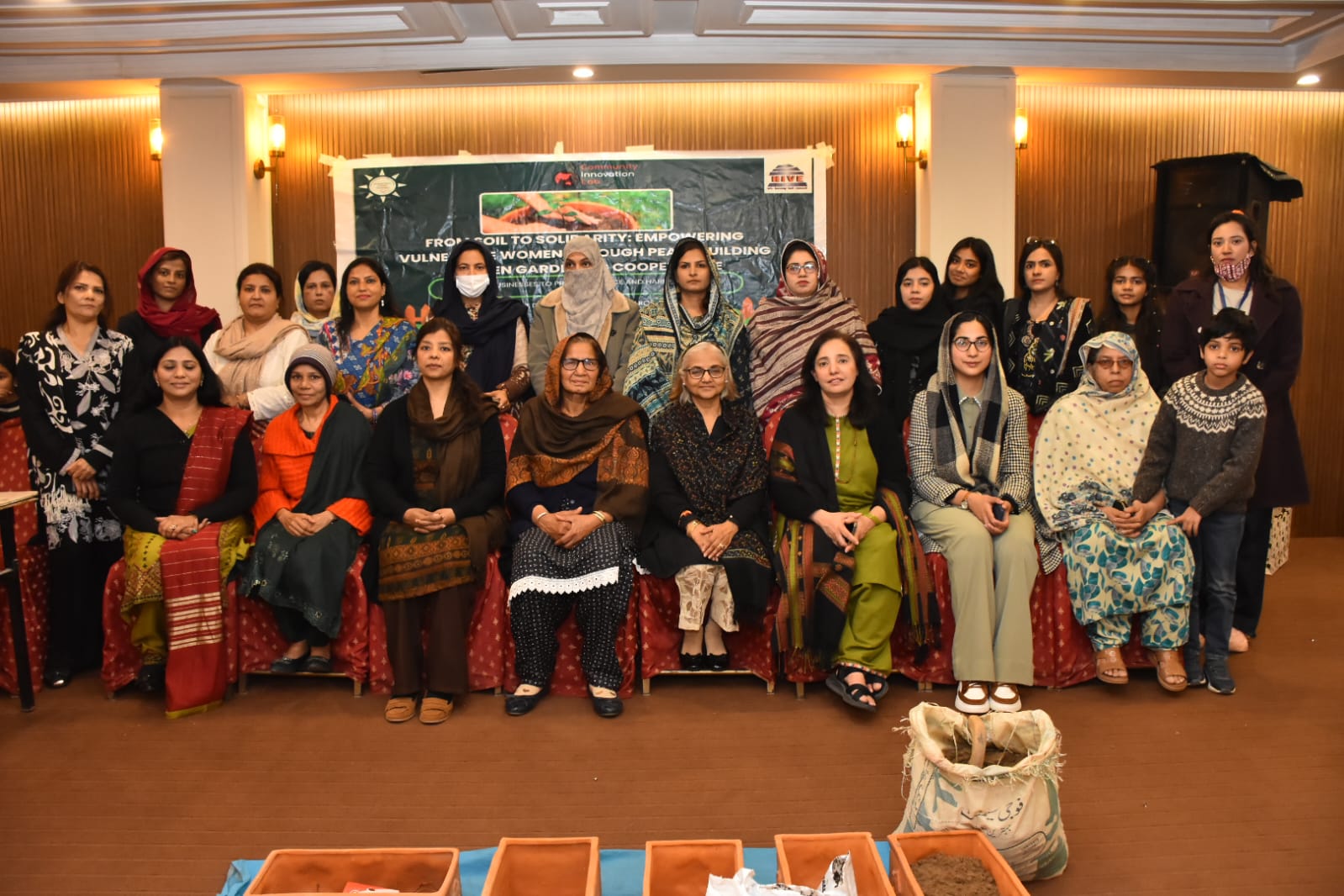
Project: From Soil to Solidarity: Empowering Vulnerable Women Through Peacebuilding Kitchen Gardening Cooperative in Pakistan
Weaving People to Grow Foundation (WPTGF), in partnership with HIVE, successfully implemented the “Soil to Solidarity” project to empower women from diverse faith backgrounds living in low-income households (with a monthly household income of up to PKR 30,000). The project aimed to strengthen their economic resilience while promoting peaceful coexistence through practical skills development.
As part of the initiative, WPTGF conducted the following activities:
- Training on Kitchen Gardening to equip participants with sustainable food production techniques.
- Training on Business Development and Conflict Resolution to enhance entrepreneurial skills, financial resilience, and peaceful conflict management.
- Distribution of 25 Kitchen Gardening Kits to enable participants to establish and maintain home-based kitchen gardens.
A key achievement of the project was the establishment of the Peacebuilding Kitchen Gardening Cooperative, comprising 25 women who now serve as grassroots advocates for peace and social harmony within their communities. Guided by the principle of “Love Thy Neighbour,” the cooperative promotes interfaith understanding, mutual respect, and community collaboration while encouraging environmentally sustainable practices. As a result of the project, 25 kitchen gardens were successfully established across Rawalpindi and Islamabad. Participating women reported a noticeable reduction in their monthly household grocery expenses due to the production of fresh vegetables for home consumption. Beyond improving household food security, the initiative has fostered a long-term culture of kitchen gardening, contributing to greener neighborhoods, improved environmental sustainability, and healthier living through increased vegetation and cleaner air.
Overall, the Soil to Solidarity project has demonstrated how integrating livelihood support, environmental stewardship, and peacebuilding can empower women to become agents of positive change within their families and communities.
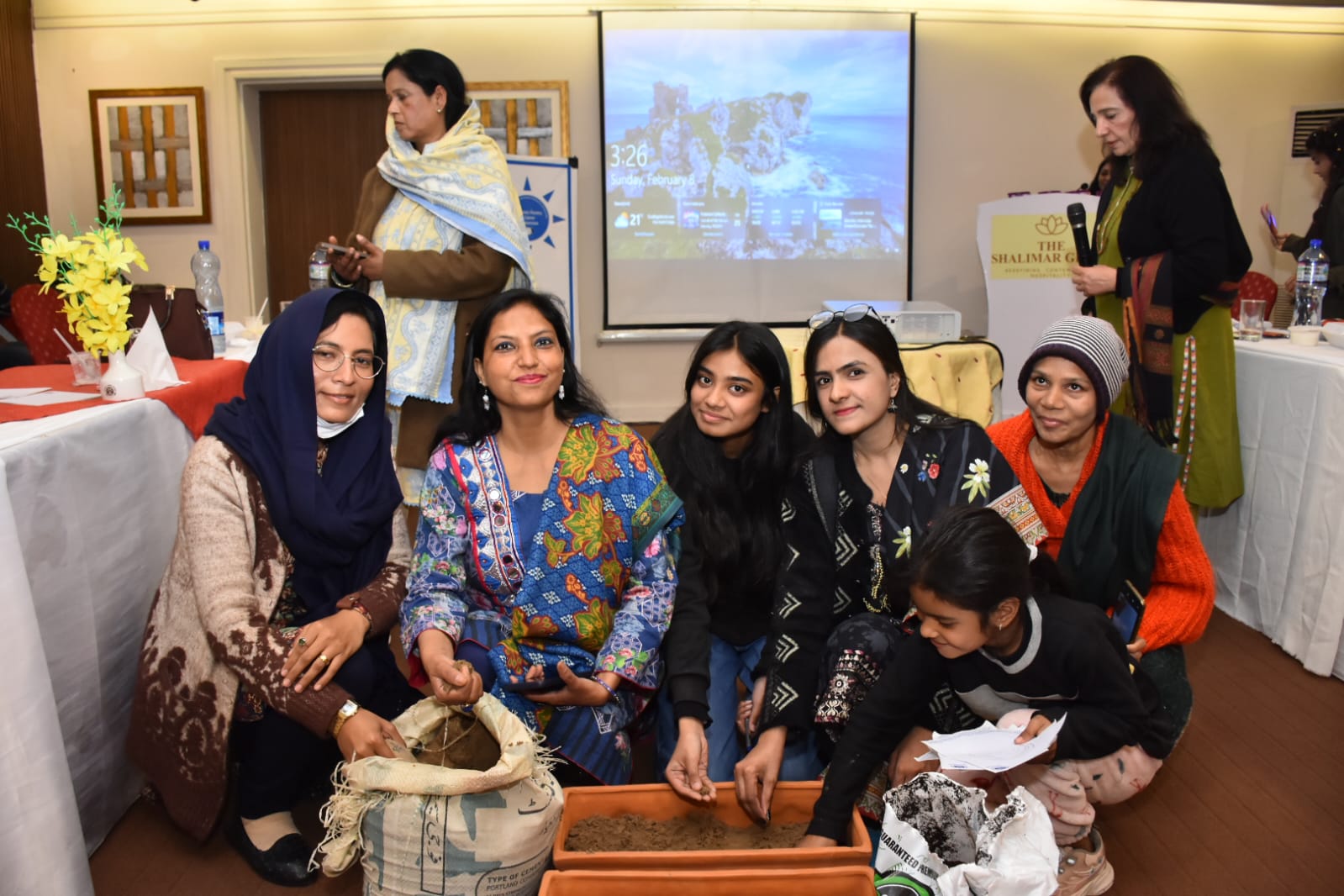
Project: Disaster Risk Reduction (DRR)
Weaving People to Grow Foundation (WPTGF) is committed to strengthening the resilience of vulnerable communities against natural and human-induced disasters through comprehensive Disaster Risk Reduction (DRR) interventions. Recognizing that disasters disproportionately affect marginalized populations, particularly women, children, religious minorities, persons with disabilities, and low-income households, WPTGF adopts a community-centered approach to disaster preparedness, response, recovery, and resilience building.
The Foundation works closely with local communities, government departments, humanitarian organizations, and community-based institutions to reduce disaster risks through awareness, capacity building, and sustainable resilience initiatives. WPTGF integrates climate change adaptation, environmental conservation, livelihood support, and social cohesion into its DRR programming to ensure that communities are better prepared to withstand and recover from disasters.
WPTGF’s Disaster Risk Reduction interventions include:
- Community-Based Disaster Risk Management (CBDRM): Supporting communities in identifying hazards, assessing vulnerabilities, developing community contingency plans, and establishing local disaster management committees.
- Disaster Preparedness and Awareness: Conducting training sessions, simulation exercises, and public awareness campaigns on emergency preparedness, early warning systems, evacuation procedures, and first aid.
- Climate Change Adaptation: Promoting climate-smart agriculture, kitchen gardening, water conservation, tree plantation, and other environmentally sustainable practices that reduce disaster risks while improving livelihoods.
- Livelihood Recovery and Resilience: Supporting vulnerable households with livelihood opportunities, vocational skills, and income-generating activities to enhance their capacity to recover from disasters and economic shocks.
- Humanitarian Response: Providing timely emergency assistance, including food, hygiene kits, non-food items, temporary shelter support, and psychosocial assistance to disaster-affected families whenever resources are available.
- Protection of Vulnerable Groups: Ensuring that women, children, religious minorities, older persons, and persons with disabilities are actively included in disaster planning, preparedness, and response mechanisms.
- Peacebuilding in Emergencies: Promoting social cohesion, community solidarity, and peaceful coexistence during and after disasters to prevent tensions over scarce resources and strengthen collaboration among diverse communities.
WPTGF believes that effective disaster risk reduction extends beyond emergency response. By investing in preparedness, environmental sustainability, resilient livelihoods, and inclusive community participation, the Foundation contributes to reducing disaster vulnerability while fostering safer, more resilient, and peaceful communities. Through its integrated approach, WPTGF aims to empower communities not only to respond effectively to disasters but also to build long-term resilience against the growing impacts of climate change and future humanitarian crises.