
To improve economic opportunities and livelihoods for youth and women.
 WPTGF seeks to promote digital and information technology (IT) skills development among youth by providing comprehensive IT and digital skills training, digital literacy workshops, and career and freelancing guidance. These interventions are designed to enhance the employability of young people by equipping them with the practical knowledge and competencies required in today’s digital economy. As a result, the expected outcome is improved digital literacy and increased employment opportunities for youth. Progress towards this objective will be measured through key performance indicators (KPIs), including the number of youth trained and the percentage of trainees who successfully apply their digital skills for income generation through employment, freelancing, or entrepreneurship.Since, 2022 we have trained more than 100 youth in digital skills and more than 40% of them have gotten jobs in different organizations in Rawalpindi and Islamabad.
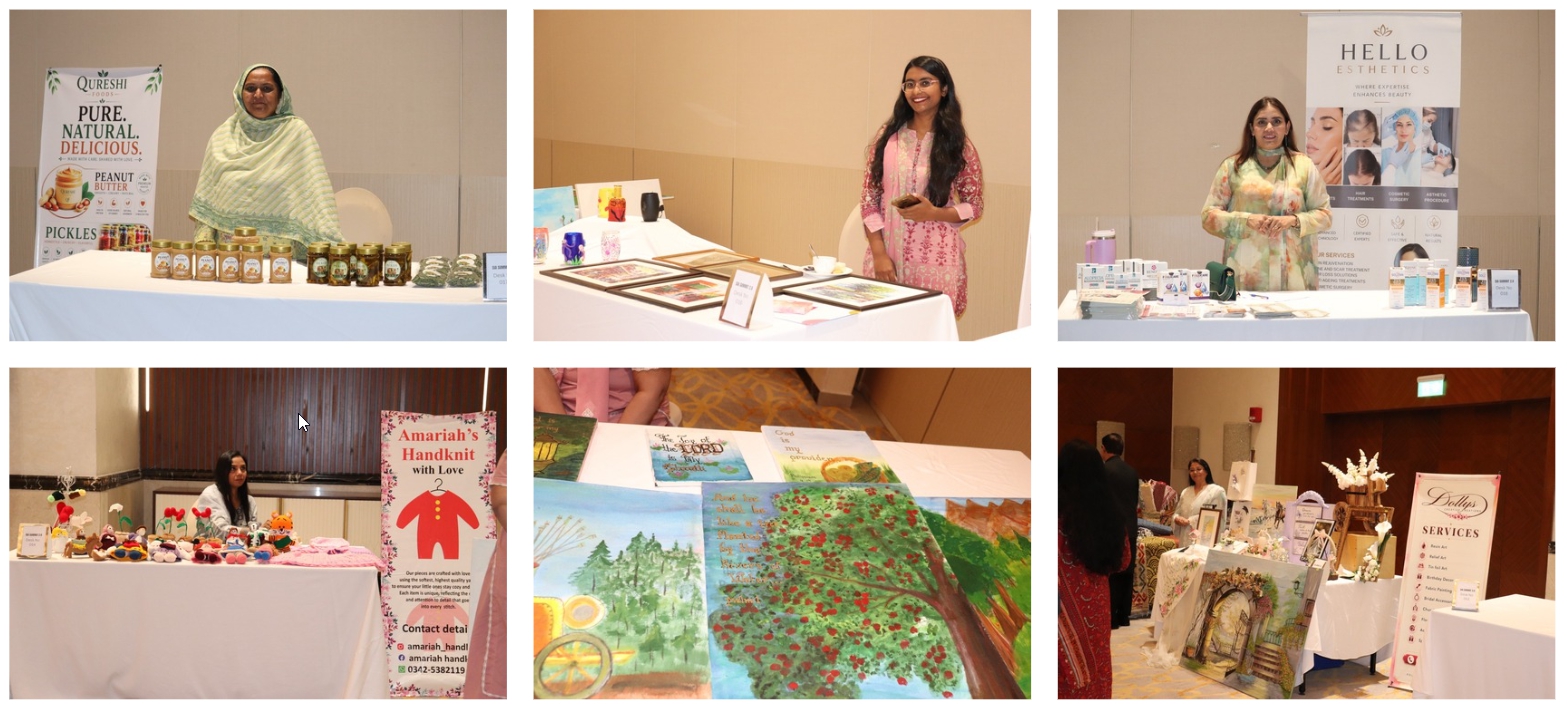
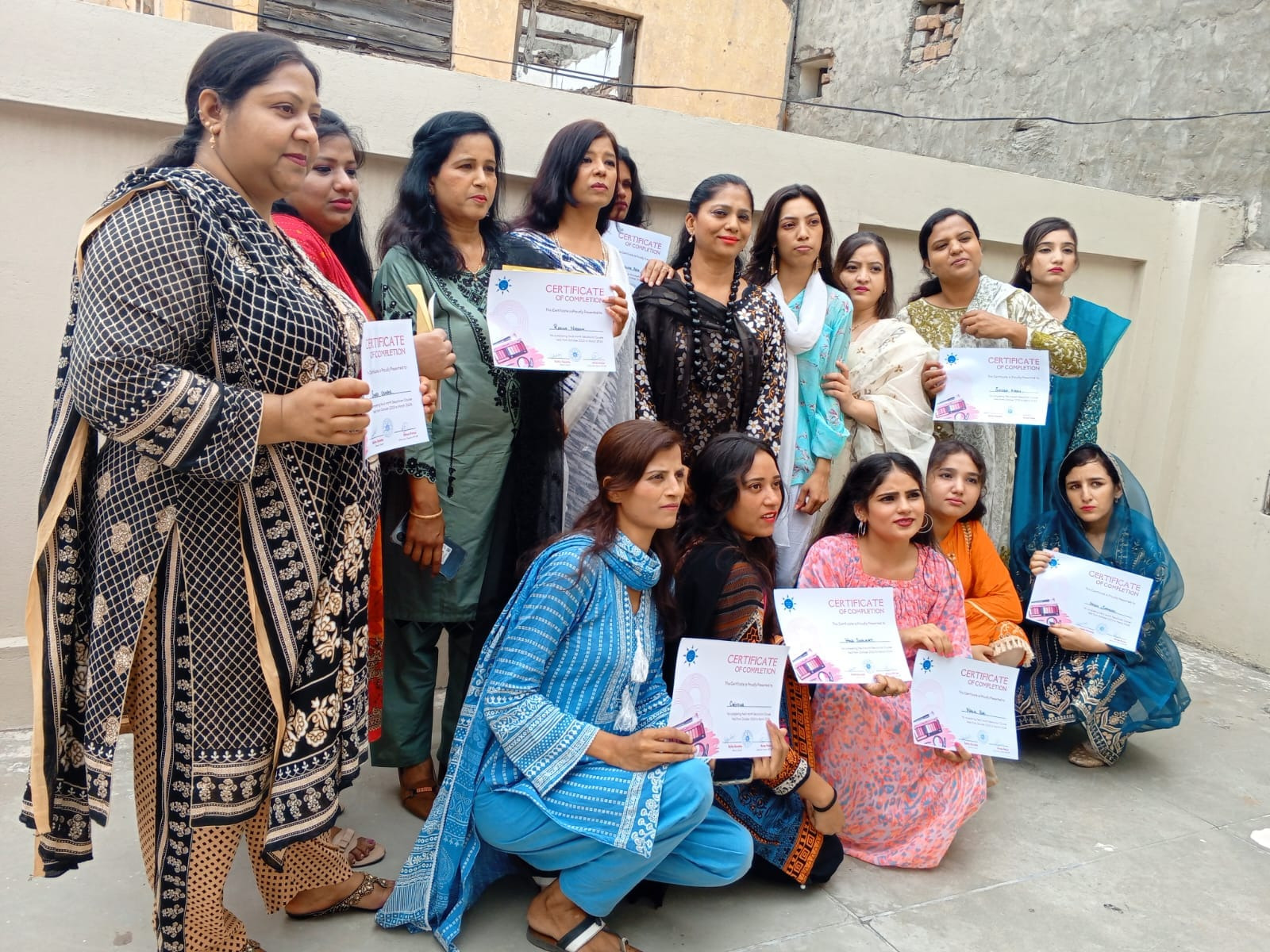
In addition, the organization aims to strengthen vocational skills development by offering vocational training programmes tailored to the needs of youth and women. These programmes focus on developing practical technical skills while also providing entrepreneurship support to encourage self-employment and small business creation. The expected outcome is improved technical and vocational capacities among beneficiaries, enabling them to secure sustainable livelihoods. Success will be assessed by tracking the number of beneficiaries who complete vocational training programmes and the percentage of graduates who gain employment or establish self-employment opportunities. Since 2024 we have trained 40 women and girls in dress designing and stitching and beauticians skills.
Furthermore, the organization will conduct market-oriented livelihood interventions to ensure that its skills development programmes are aligned with current labour market demands. This objective will be achieved through regular market surveys and assessments, active engagement with employers, and comprehensive labour market mapping to identify emerging employment opportunities and skills gaps. The expected outcome will be improved by the relevance and effectiveness of livelihood programmes, resulting in better employment prospects for participants. Performance will be measured by the number of market assessments conducted and the number of livelihood programmes that are designed or revised based on identified market needs and demand.